
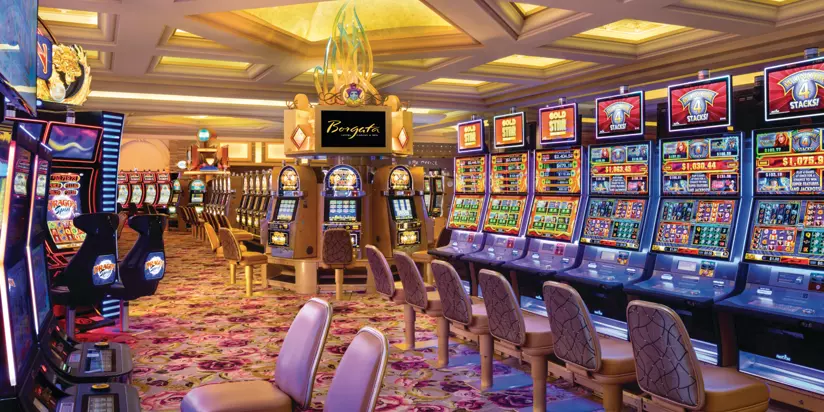
Slot machines are among the most recognizable and profitable forms of gaming in the casino industry. The term slot encompasses both traditional mechanical devices and their modern digital counterparts, representing a blend of chance, technology, psychology, and entertainment. While slots are often perceived as simple games of luck, the underlying mechanisms, probability frameworks, and player engagement strategies are highly sophisticated. This article provides an in-depth exploration of slot machines, covering their history, mechanics, types, economic impact, player psychology, technological evolution, and strategic approaches to play.
History and Evolution of Slot Machines
Slot machines have a rich history dating back to the late 19th century. The first recognizable slot, the Liberty Bell, was invented by Charles Fey in 1895 in San Francisco. This mechanical device featured three reels with five symbols and a simple payout system. Players could win coins by matching symbols on a single line, creating an immediate, accessible form of entertainment.
During the early 20th century, slot machines gained popularity in bars and small gaming establishments, often operating semi-legally. Over the decades, innovations such as electro-mechanical systems in the 1960s, video slots in the 1970s, and computer-controlled random number generators in the 1980s revolutionized gameplay. Today, slot machines are available both in land-based casinos and online platforms, offering increasingly complex features and immersive experiences.
Mechanics of Slot Machines
Slot machines operate using carefully designed mechanical or digital systems to ensure randomness and fair play. The core components include:
Reels and Symbols
- Reels: Traditionally mechanical, now mostly digital, the reels determine potential outcomes based on the alignment of symbols.
- Symbols: Each symbol carries a designated payout value, and combinations dictate winnings. Modern slots may include hundreds of unique symbols, special icons, and thematic imagery.
Random Number Generators
The fairness of modern slot machines is ensured through random number generators (RNGs). These algorithms generate thousands of numbers per second, determining reel positions and outcomes. The RNG ensures:
- Unpredictability of each spin.
- Consistency with stated return-to-player (RTP) percentages.
- Equal probability distribution for all symbols.
Paylines and Payout Structures
Paylines are the patterns across which matching symbols result in payouts. Contemporary slots may feature:
- Single-line Slots: The simplest format with one horizontal payline.
- Multi-line Slots: Incorporating multiple paylines (often 20 to 100+) to increase winning combinations.
- Cluster and Megaways Mechanics: Modern formats allow dynamic symbol arrangements and hundreds of thousands of potential combinations, enhancing gameplay complexity.
Types of Slot Machines
Slot machines are diverse, with variations designed to appeal to different player preferences and levels of engagement.
Classic Slots
Classic slots retain traditional themes with three reels and limited paylines. They appeal to players seeking nostalgic simplicity and straightforward gameplay. Payouts tend to be smaller but frequent, sustaining player engagement.
Video Slots
Video slots are the most prevalent type in modern casinos. Key features include:
- Advanced graphics, animations, and sound effects.
- Multiple bonus rounds, free spins, and mini-games.
- Progressive jackpots linked to networked machines.
Video slots are designed for immersive experiences, combining entertainment and potential high-value rewards.
Progressive Jackpot Slots
Progressive slots accumulate a portion of each wager into a growing jackpot. These can reach multimillion-dollar payouts, attracting high-risk players. The mechanics often include:
- Networked machines contributing to a single jackpot pool.
- Randomly triggered jackpots or combination-based wins.
- Tiered bonus levels offering multiple prize opportunities.
Online and Mobile Slots
Digital technology has expanded slot access to online and mobile platforms. Features include:
- Instant play without physical presence.
- Enhanced RNG transparency and security.
- Adaptive interfaces for smartphones and tablets, ensuring accessibility on-the-go.
Online slots frequently integrate live events, social features, and interactive storytelling to deepen engagement.
Strategic Considerations in Slot Play
While slots are predominantly games of chance, informed players can apply strategic principles to optimize their experience and potential returns.
Understanding RTP and Volatility
- Return-to-Player (RTP): Indicates the theoretical percentage of wagers returned to players over time. Players should target slots with higher RTPs for better long-term expected value.
- Volatility (Variance): Determines the risk profile of a slot. High-volatility slots offer large, infrequent wins, whereas low-volatility slots provide smaller, more frequent payouts.
Bankroll Management
Effective bankroll management is essential for prolonged play. Strategies include:
- Setting wagering limits aligned with personal budget.
- Dividing the bankroll into manageable sessions.
- Adjusting bet sizes according to volatility and session duration.
Bonus Features Optimization
Modern slots feature diverse bonus rounds. Skilled players optimize these features by:
- Understanding trigger conditions for free spins or multipliers.
- Timing play to maximize the probability of activating bonuses.
- Selecting slots with transparent, favorable bonus mechanics.
Psychological Engagement
Slot machine design leverages psychology to enhance player experience:
- Near-Miss Effect: Partial winning combinations encourage continued play.
- Variable Rewards: Randomized payouts sustain engagement through intermittent reinforcement.
- Sensory Stimuli: Graphics, sound, and tactile feedback create immersive and stimulating environments.
Understanding these mechanisms allows players to recognize influence tactics and maintain balanced gameplay.
Economic Impact of Slots
Slot machines represent the most significant revenue source in the casino industry.
- Revenue Contribution: Slots often account for 60-70% of casino gaming revenue.
- Employment and Operations: They support technicians, attendants, and software developers.
- Tourism and Entertainment: Iconic slot floors attract visitors, supplementing hotel, dining, and entertainment revenue.
- Regulatory Compliance: Casinos must adhere to stringent licensing, auditing, and fairness standards, ensuring economic sustainability and legal oversight.
Slot machines’ economic influence extends to global gambling markets, both land-based and online.
Technological Innovations in Slots
The slot industry continues to embrace innovation, transforming both player experience and operational efficiency.
Interactive Features
Modern slots integrate:
- 3D graphics and cinematic storytelling.
- Interactive bonus games requiring decision-making.
- Augmented and virtual reality elements in advanced digital formats.
Blockchain and Cryptocurrencies
Emerging platforms allow slot play using cryptocurrencies, offering:
- Transparent, verifiable transactions.
- Reduced transaction fees and enhanced privacy.
- Smart contracts for automatic payout distribution.
Data Analytics and AI
Casinos use AI and analytics to:
- Monitor machine performance and player engagement.
- Detect unusual patterns or potential problem gambling behavior.
- Optimize machine placement and feature offerings to maximize revenue.
Responsible Slot Play
Ethical gaming practices ensure players engage safely:
- Time and Bet Limit Controls: Casinos implement automated limits and reminders.
- Self-Exclusion Programs: Players can voluntarily restrict access.
- Awareness Campaigns: Education about probabilities, expected value, and addiction risks supports informed decision-making.
- Third-Party Audits: Independent testing confirms fairness and transparency in machine algorithms.
Responsible play protects players, supports regulatory compliance, and enhances long-term industry sustainability.
Emerging Trends in Slot Gaming
Slot machines continue to evolve with technological, cultural, and market trends:
- Mobile-First Design: Prioritizing optimized interfaces for smartphones and tablets.
- Thematic Integration: Story-driven slots, movie franchises, and branded content enhance player connection.
- Social Gaming: Integration with online communities and multiplayer features promotes engagement.
- Hybrid Casino Experiences: Linking physical machines with digital platforms creates continuity between land-based and online play.
These trends indicate a shift toward immersive, adaptive, and socially integrated gaming experiences.
FAQs About Slot Machines
Are slot machines purely luck-based?
While outcomes are determined by random number generators, understanding RTP, volatility, and bonus mechanics allows players to make informed decisions and optimize play.
What is Return-to-Player (RTP)?
RTP represents the percentage of wagered money a slot is expected to return over time. Higher RTP percentages indicate better long-term returns for players.
How do progressive jackpots work?
A portion of each wager contributes to a growing jackpot pool, which can be networked across multiple machines or casinos. Jackpots can trigger randomly or through specific symbol combinations.
Can skill influence slot outcomes?
While slots rely heavily on chance, strategic choices such as bet sizing, session management, and selection of favorable machines can enhance the overall gaming experience.
Are online slots safe and fair?
Licensed and regulated online slots use RNGs, encryption, and third-party audits to ensure fairness and secure financial transactions.
What factors affect slot volatility?
Volatility is influenced by payout frequency and size. High-volatility slots pay out less frequently but in larger amounts, whereas low-volatility slots offer frequent, smaller wins.
How do casinos ensure responsible slot play?
Casinos implement time and bet limits, self-exclusion programs, educational resources, and regulatory compliance measures to safeguard players.
Conclusion
Slot machines represent a sophisticated convergence of entertainment, technology, and psychology. From mechanical reels to immersive online platforms, slots have evolved into complex systems designed for engagement, revenue generation, and global accessibility. Understanding the underlying mechanics, probability frameworks, strategic considerations, and responsible play principles enhances both enjoyment and potential returns.
The modern slot ecosystem illustrates the interplay between chance, strategy, and innovation, demonstrating that while luck drives immediate outcomes, informed, disciplined, and aware players can maximize the value of their experience. Slots continue to captivate audiences worldwide, offering dynamic entertainment that blends excitement, technology, and economic impact in an ever-evolving gaming landscape.