
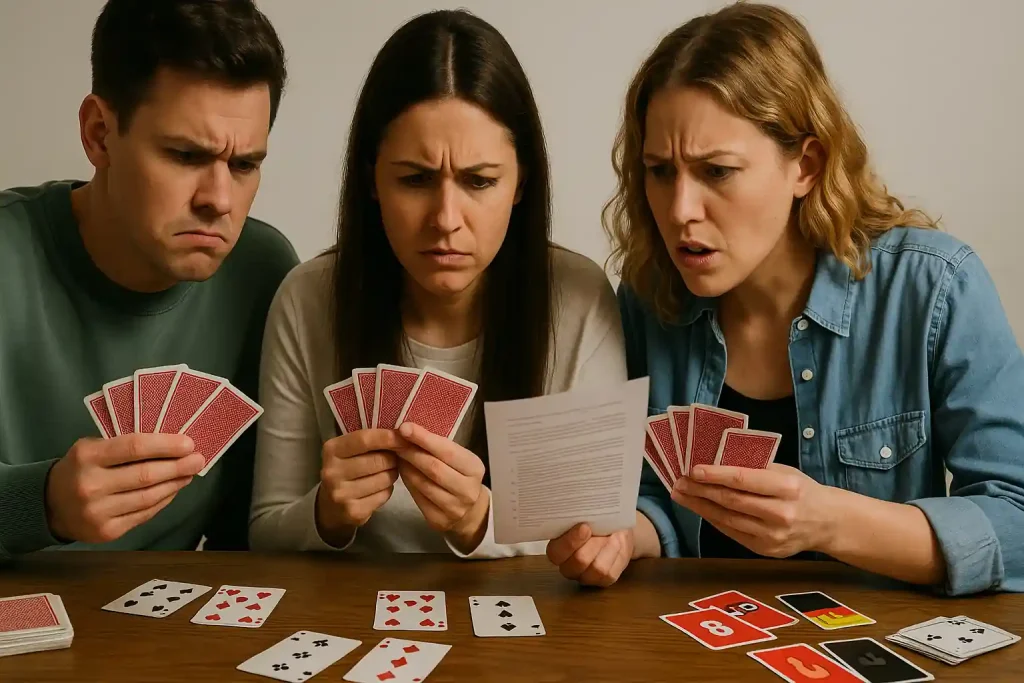
A card game is a timeless form of entertainment that brings people together through simple rules, thoughtful decisions, and friendly competition. Cards can be used for countless games, ranging from quick activities that take only a few minutes to complex challenges that require careful planning. Their portability and versatility have helped them remain popular across generations.
Whether played with family, friends, or independently, card games can provide an enjoyable way to relax while also encouraging concentration and strategic thinking.
Why Card Games Continue to Be Popular
The appeal of a card game comes from its simplicity. A traditional deck can fit easily into a pocket or bag, making it convenient for travel, gatherings, and casual entertainment. Players generally need only a suitable surface and an understanding of the rules.
Another important advantage is variety. Different games can create completely different experiences using similar cards. One game may focus on luck, another on memory, and another on long-term strategy.
This flexibility means players can select a game that matches their mood, skill level, and available time.
Understanding the Basic Structure
Although every game has its own rules, many card games follow a familiar structure. Players receive cards, take turns performing actions, and attempt to accomplish a specific objective.
The objective might involve collecting sets, building sequences, winning individual rounds, earning points, or being the first player to complete a requirement.
Common actions include:
- Drawing cards from a pile.
- Playing cards according to specific rules.
- Discarding unwanted cards.
- Collecting combinations.
- Comparing card values.
- Keeping track of points.
Learning the objective first makes the rest of the rules much easier to understand.
Major Types of Card Games
There are many categories of card games, each offering a different style of play.
Trick-Taking Games
These games involve individual rounds in which players play one card each. A particular card or suit may determine the winner of the round.
Success often depends on remembering cards that have already been played and deciding when to use stronger cards.
Matching Games
Matching games involve creating pairs, groups, or sequences. Their simple structure makes them suitable for beginners and family settings.
They can also help younger players practice recognition, counting, and attention.
Strategy Games
Strategy-focused games require players to think beyond the current turn. Participants may need to consider several possible outcomes before deciding what to do.
Experience can become particularly valuable because players learn how different decisions influence later parts of the game.
Solo Games
Some card games can be played without opponents. These games often involve arranging cards according to specific patterns or completing a series of challenges.
Solo play can provide a quiet mental activity and is useful when someone wants to enjoy cards independently.
The Role of Luck and Skill
Many card games combine luck with skill. Players cannot always control the cards they receive, but they can control how they respond to those cards.
This creates an interesting balance. A player may receive an unfavorable hand but still improve their chances by making sensible decisions. Conversely, a strong hand does not always guarantee success if it is played poorly.
The interaction between chance and decision-making is one of the features that keeps many card games interesting.
Skills That Players Can Develop
Playing cards can encourage several mental and social abilities. While the benefits depend on the type of game, many formats require players to stay focused and make decisions based on available information.
Potential skills include:
- Memory: Recalling cards and previous moves.
- Concentration: Following the game without losing track of important details.
- Planning: Considering future turns.
- Problem-solving: Finding effective solutions within the rules.
- Decision-making: Choosing between several possible actions.
- Communication: Explaining rules and interacting with other players.
These skills add educational value to an activity that remains primarily enjoyable.
Finding the Right Card Game
Choosing an appropriate game can make the experience much more enjoyable. Players should consider who will participate and what kind of experience they want.
For a casual family gathering, a simple game with short rounds may be ideal. A group of experienced players may prefer a game with deeper strategy and longer sessions.
Before choosing, consider:
- Number of players.
- Age range.
- Experience level.
- Playing time.
- Complexity of the rules.
- Preferred balance between luck and strategy.
Matching the game to the group helps prevent confusion and keeps participants interested.
Card Games as Social Entertainment
A card game can provide more than competition. It creates an opportunity for people to sit together, communicate, and enjoy a shared activity.
During a game, players naturally discuss rules, react to surprising moves, and celebrate successful decisions. These interactions can make even a simple game memorable.
Card games can be especially useful when people want an activity that encourages conversation rather than keeping everyone focused on individual screens.
Digital Card Games
Technology has introduced new ways to enjoy card games. Digital versions can provide automatic scoring, tutorials, online opponents, and convenient access from various devices.
For beginners, digital platforms can sometimes make complicated rules easier to understand because the software automatically manages many parts of the game.
However, physical cards continue to offer a unique experience. Shuffling, dealing, organizing cards, and playing face-to-face create a traditional atmosphere that many people still enjoy.
Tips for New Players
Beginners should start with a game that has clear rules and a manageable level of difficulty. Trying to memorize every detail before playing can make the process unnecessarily complicated.
Instead, learn the main objective and basic turn structure, then play a practice round. Mistakes are a natural part of learning.
As players gain experience, they can explore more advanced tactics and variations. The goal should be to understand the game gradually while enjoying the process.
Final Thoughts
A card game can be simple, strategic, social, or challenging, depending on the format and the people playing it. Its combination of portability, variety, and accessible rules has allowed cards to remain a favorite form of entertainment for generations.
Whether enjoyed at home, during a gathering, while traveling, or as a solo activity, card games offer countless opportunities for fun and thoughtful play. Their enduring appeal proves that a small deck can provide an unexpectedly rich entertainment experience.