
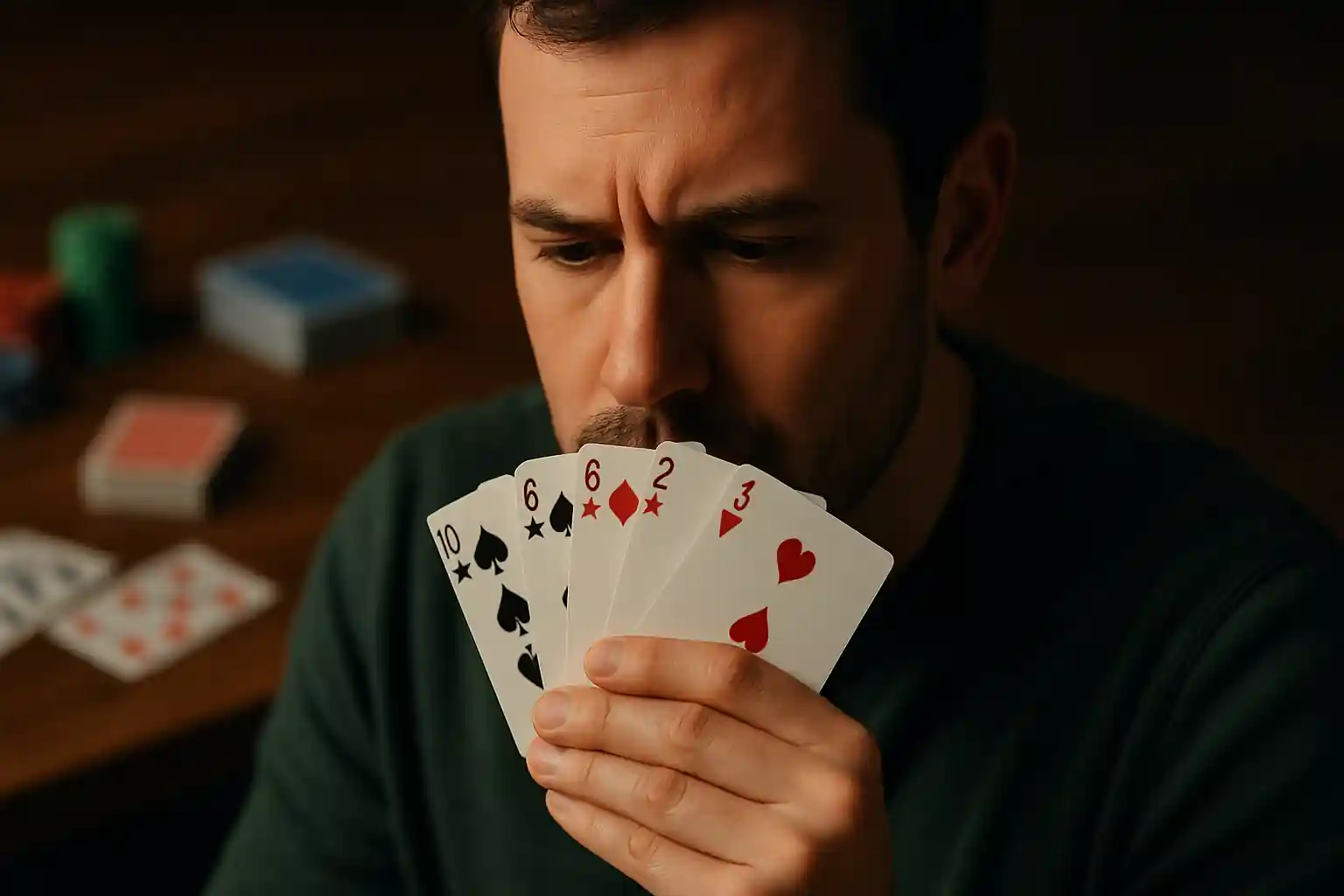
A card game is a simple form of entertainment that can offer much more than a way to pass the time. Depending on the rules, a game can test memory, encourage strategic thinking, create friendly competition, or simply bring people together. From traditional games played around a family table to modern versions enjoyed digitally, cards have remained a familiar part of leisure for generations.
The popularity of card games comes largely from their variety. Players can find games that are quick and easy to learn, as well as complex formats that require planning and experience.
The Appeal of a Card Game
One reason card games remain popular is their accessibility. A traditional deck is inexpensive, portable, and capable of supporting many different games. Players do not need complicated equipment or a large playing area.
Card games can also suit different moods. Someone looking for a relaxed activity might choose a simple game, while a group seeking competition can select one that rewards careful decisions.
The flexibility of cards allows the same basic equipment to create completely different experiences.
How Card Games Are Structured
Every card game has its own rules, but most include a few common elements. Players receive cards, take turns performing specific actions, and work toward an objective.
The objective can vary considerably. Some games require players to collect certain combinations, while others focus on reaching a target score or getting rid of cards.
Common actions include:
- Drawing a card from a pile.
- Playing a card according to the rules.
- Discarding unwanted cards.
- Collecting sets or sequences.
- Comparing cards with opponents.
- Keeping track of points.
Understanding the objective is usually the best starting point for learning any new game.
Different Styles of Card Games
The wide range of available formats means there is something for almost every type of player.
Luck-Based Games
Some games depend primarily on chance. Players have limited control over which cards they receive, making every round unpredictable.
These games are often easy to learn and can be ideal for casual gatherings where participants want entertainment without complicated strategy.
Strategy Games
Strategy-based games give players more control over their decisions. Participants may need to evaluate their cards, predict possible moves, and plan several turns ahead.
These games often become more enjoyable with experience because players gradually learn how different decisions affect the outcome.
Memory Games
Memory plays a central role in many card games. Players may need to remember which cards have been played, what combinations are possible, or which choices opponents have already made.
Such games can be particularly engaging because they reward careful attention.
Solo Games
Some card games are designed for individual play. They can be relaxing while still providing a mental challenge.
Solo formats are useful for people who enjoy solving problems independently or want an activity that does not depend on having other players available.
The Strategic Side of Playing Cards
A card game can involve significant decision-making even when luck influences the cards that appear. Players must work with the information available and decide how to respond.
A strong player may consider questions such as:
- What cards are likely to remain available?
- What might an opponent be trying to accomplish?
- Should a valuable card be played now or saved?
- Is taking a risk worthwhile?
- How could the current decision affect later turns?
These questions add depth to the experience and make familiar games more interesting over time.
Benefits of Playing Card Games
Card games can encourage several useful abilities while providing entertainment. Their benefits vary depending on the type of game, but common examples include concentration, memory, planning, and communication.
Players may also learn how to handle both success and disappointment. Losing a close game can encourage patience and help players understand that outcomes are not always predictable.
For children, appropriate card games can introduce concepts such as counting, matching, sequencing, and following instructions in an enjoyable setting.
Choosing a Game for Different Occasions
The best card game depends on the people involved and the situation. A quick game may be better for a short break, while a longer strategic game can work well during an evening gathering.
Consider these factors before choosing:
- Number of participants.
- Age of the players.
- Experience level.
- Available time.
- Difficulty of the rules.
- Desired level of competition.
A game that matches the group’s interests is more likely to keep everyone involved.
Card Games and Social Interaction
Playing cards can create valuable opportunities for face-to-face interaction. Players talk, laugh, explain decisions, and react to unexpected developments throughout the game.
This social aspect is one reason card games remain popular at family events and gatherings. Even when the competition is serious, the shared experience can create memorable moments.
Card games can also encourage people who may not normally interact to participate in the same activity.
Physical and Digital Experiences
Modern technology has expanded the card game experience. Digital platforms allow players to enjoy many formats on phones, computers, and other devices.
Digital games can provide automatic scoring and rule enforcement, which can make complex formats easier to manage. Online multiplayer features can also connect players who live far apart.
Physical cards, however, offer a different kind of experience. Dealing, shuffling, arranging cards, and sitting around a table contribute to the traditional atmosphere that many players continue to appreciate.
Learning and Improving
Learning a new card game is easiest when players focus on the basics first. Start with the objective, card values, turn order, and available actions.
A practice round can help players understand the rules without worrying too much about the result. Once the fundamentals become familiar, players can begin studying more advanced strategies.
Experience is often the best teacher. Playing regularly allows people to recognize patterns, make decisions more quickly, and develop their own playing style.
Final Thoughts
A card game can be competitive, relaxing, educational, or social, depending on how it is played. Its combination of simple equipment and endless variations makes it one of the most adaptable forms of entertainment.
Whether someone prefers a quick family game, a thoughtful solo challenge, or a strategic competition with friends, there is a card game suited to the occasion. The enduring popularity of cards shows that sometimes the simplest activities can provide the most lasting entertainment.