
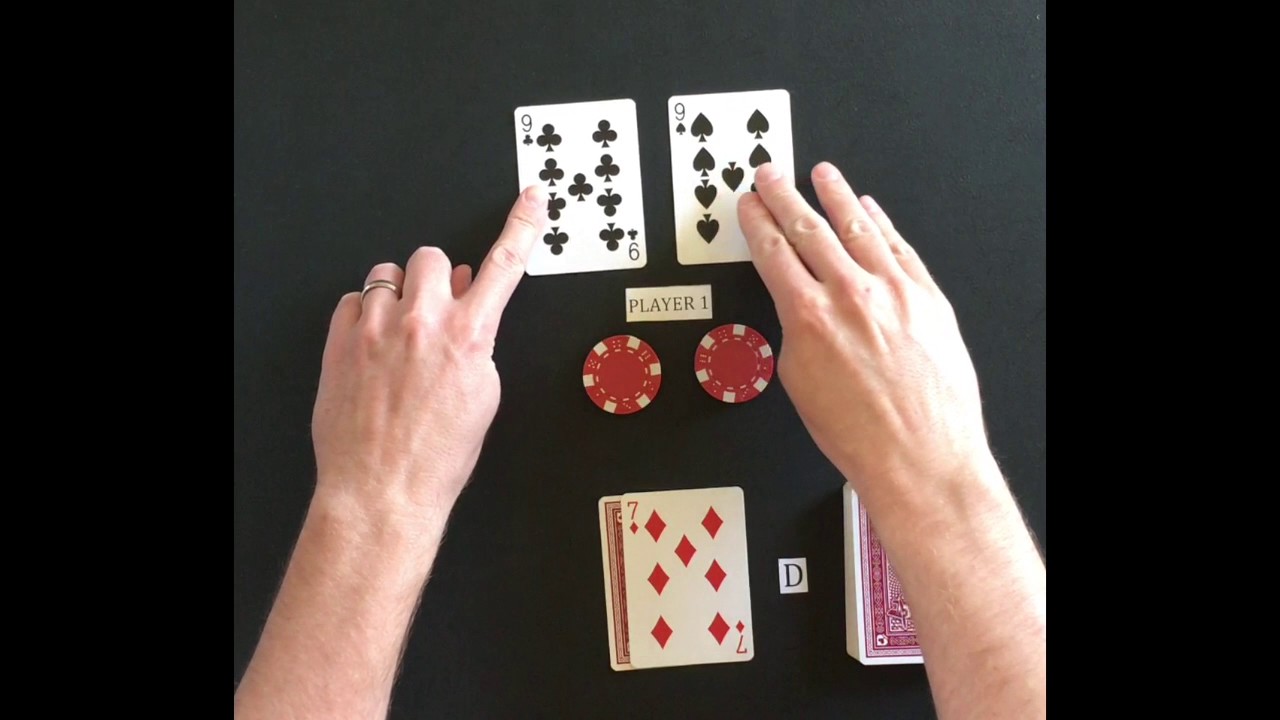
Blackjack is a popular card game recognized for its straightforward rules, fast pace, and strategic decisions. Unlike many casino games that depend almost entirely on chance, blackjack gives players opportunities to make choices throughout each hand. Those choices do not guarantee success, but understanding the game can help players make more informed decisions.
The goal is simple: create a hand with a value closer to 21 than the dealer’s hand without exceeding 21. With a little practice, beginners can understand the basic mechanics quickly and appreciate the strategic elements that make blackjack interesting.
How Blackjack Works
A blackjack game usually involves one or more standard decks of cards. Number cards have their face values, while jacks, queens, and kings are worth 10 points. An ace is especially useful because it can count as either 1 or 11, depending on which value benefits the hand.
At the start of a round, the player and dealer receive cards. The player’s cards are normally visible, while the dealer has one visible card and another that remains hidden until the appropriate stage of the round.
The player then decides how to play their hand. The available choices generally include:
- Hit: Take another card.
- Stand: Keep the current hand without taking another card.
- Double down: Increase the original wager and take one additional card.
- Split: Divide a qualifying pair into two separate hands.
Once the player finishes, the dealer follows the required house rules before the final hands are compared.
The Objective of Reaching 21
The best-known result in blackjack is a natural blackjack, which normally occurs when the first two cards consist of an ace and a 10-value card. This is different from reaching 21 with three or more cards.
A player can win by having a higher total than the dealer without exceeding 21. If the dealer goes over 21, players who have not already busted generally win.
However, if a player’s hand exceeds 21, it is called a bust. The hand immediately loses, regardless of what happens with the dealer’s cards.
Why Strategy Matters
One of blackjack’s most appealing features is the opportunity to make decisions based on probability. Players cannot choose the cards they receive, but they can choose how to respond to their current hand.
Basic blackjack strategy provides recommendations based on the player’s total and the dealer’s visible card. These recommendations are based on mathematical probabilities rather than guesses about what the next card will be.
For beginners, learning basic strategy can be more useful than trying complicated betting systems. It encourages players to make decisions consistently rather than changing their approach because of emotions or recent results.
Understanding the Dealer’s Role
The dealer does not have the same freedom as the player. Dealers generally follow fixed rules that determine when they must take another card and when they must stop.
The dealer’s visible card is important because it provides information about the potential strength of the dealer’s hand. Some visible cards create stronger situations for the dealer, while others create greater opportunities for the player.
Learning how to interpret the dealer’s upcard is therefore an important part of becoming comfortable with blackjack.
Blackjack Table Rules Can Differ
Different blackjack tables can have different rules. These variations can affect the overall mathematical advantage of the game and the decisions available to players.
Before starting a game, players should understand important details such as:
- The number of decks used.
- The payout for a natural blackjack.
- Whether the dealer stands or hits on certain totals.
- Whether doubling is allowed after a split.
- Which hands can be split.
- Whether surrender is available.
Taking a moment to understand these rules can prevent confusion later.
Managing Your Playing Budget
Responsible money management is an important part of recreational blackjack. No strategy can guarantee that a player will win every hand or every session.
A player should decide on a budget before beginning and avoid exceeding it. Setting a clear limit can make it easier to treat the game as entertainment instead of allowing losses to influence later decisions.
It is also wise to avoid chasing losses. Increasing wagers simply because previous hands were unsuccessful can create additional financial pressure and lead to decisions that are difficult to control.
Mistakes Beginners Should Avoid
Many new players make predictable mistakes when learning blackjack. One is assuming that a certain card is “due” because it has not appeared recently. Previous hands do not provide a reliable prediction of the next outcome.
Another mistake is relying on complicated systems that promise consistent profits. Blackjack involves uncertainty, and no betting method can eliminate that risk.
Beginners should instead concentrate on understanding card values, learning the basic rules, and making decisions calmly.
Making Blackjack More Enjoyable
The best way to approach blackjack is with realistic expectations. Players should understand that even strong decisions can produce losing hands because chance remains an important part of the game.
Keeping sessions within a comfortable budget, taking regular breaks, and avoiding emotional decisions can make the experience more manageable.
For someone completely new to blackjack, practicing the rules without wagering can also be a useful way to become familiar with different hands and decisions.
Final Thoughts
Blackjack combines simple rules with meaningful strategic choices, making it one of the most accessible traditional card games. The central goal is easy to understand, but learning how different hands and dealer cards influence decisions adds depth to the experience.
A good starting point is to learn the card values, understand the available actions, study basic strategy, and set sensible limits. With responsible play and realistic expectations, blackjack can remain an engaging and enjoyable card game for beginners and experienced players alike.