
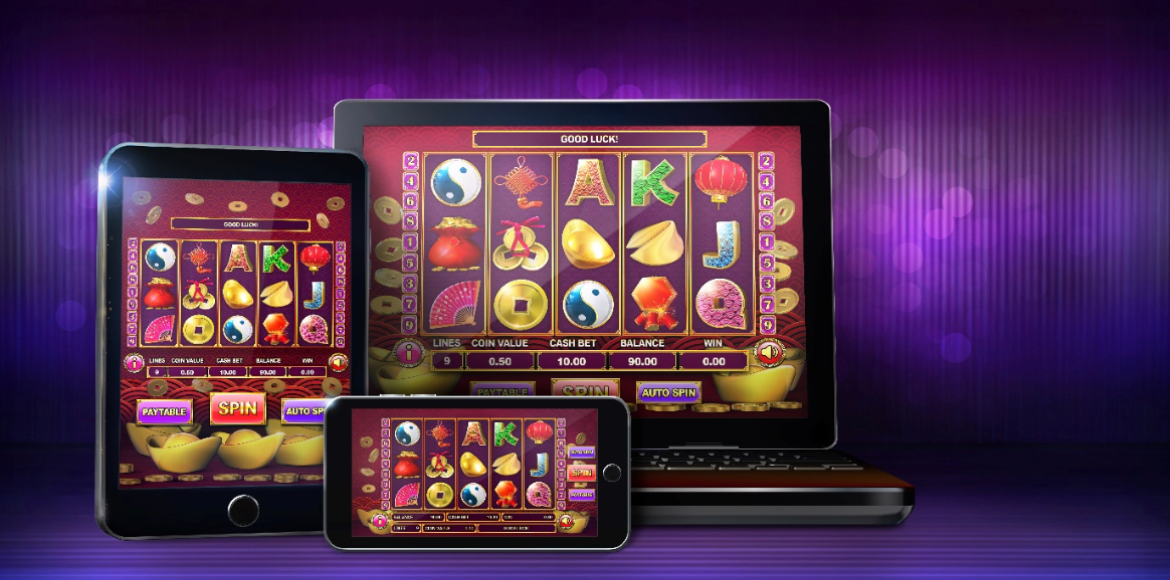
Display options determine how games present visually across different screen sizes and device types. Various settings accommodate everything from small smartphone screens to large desktop monitors. Each device category benefits from specific display configurations matching its unique characteristics. Playable and visually appealing free credit no deposit link games are ensured regardless of the hardware used. Phones require different approaches than tablets, which differ from computers. Appropriate display options prevent interface crowding, illegible text, or awkwardly proportioned graphics.
- vertical screen optimisation
Portrait modes suit smartphones held vertically during typical single-handed use. This orientation matches natural phone handling, where devices get gripped in portrait position. Games displayed in portrait format place reels vertically within tall, narrow screens, maximising available space. Control buttons are positioned along the screen bottom within easy thumb reach for one-handed operation. Balance displays, bet controls, and paytable access are concentrated in compact areas surrounding the main game grid. Portrait optimisation prevents horizontal scrolling or zoomed-out views that make symbols too small on narrow screens. The vertical layout uses full screen height, showing complete reel sets without requiring panning.
- Horizontal display advantages
Landscape displays spread game elements across horizontal space, preventing vertical crowding. Reels occupy central positions while controls are distributed along the left and right edges. Information panels showing balances and bet amounts fit naturally into horizontal layouts without overlapping game grids. Tablets particularly benefit from landscape since their larger screens provide ample width, accommodating detailed interfaces. Desktop computers default to landscape given their horizontal monitor orientations. Games optimised for landscape present more information simultaneously compared to portrait views, where vertical space limits interface complexity.
- Immersion differences
Fullscreen modes dedicate entire screens to game displays, eliminating all surrounding interface elements. This maximises game visibility, removing distractions from other applications or system notifications. In full-screen mode, players can spend more time immersing themselves in the game during dedicated sessions, as the entire screen is occupied during this time, so they can focus primarily on playing the game. Depending on the player’s preferences, the game can be played fully immersed or in resizable windows, allowing the player to access other programs while playing.
- Clarity adjustments
Sharpness and visibility are determined by the resolution and pixel density of an image. Fine graphics and visual elements will be visible to those with high-resolution displays. These settings work best with systems with powerful graphics and display capabilities. Lower resolutions reduce detail, but on limited hardware, they help games run smoothly. Scaling options allow games to match the native screen size automatically or follow manual user choice. This balance keeps visuals stable while matching device capability without losing smooth gameplay.
- Readability customisation
Interface scaling modifies text sizes, button dimensions, and control element proportions independent of resolution settings. Larger interface scales benefit small screens, making buttons and text more readable on compact displays. Players on phones value enlarged controls that reduce accidental touches on tight screens. Smaller scaling fits large monitors, where default sizes look oversized and waste space. Custom scaling supports vision needs and improves text readability on any screen. Dynamic scaling adjusts interface elements by screen size and gives a proper layout without manual setup. Display options support many devices through portrait mode for phones and landscape mode for tablets and desktops. Users can choose fullscreen or windowed views with resolution scaling and interface size control. These settings create clear viewing experiences across different hardware.